


Frequently Asked Questions
Find answers to common questions about ordering, delivery, returns, payments and product information.
Jump To Category:
- Orders, Delivery & Returns
- Payments & Security
- Products & General Questions
- Shaving Creams, Soaps & Brushes
- General Shaving Guidance
- Gifting
Orders, Delivery & Returns:
How long does delivery take in the UK?
We dispatch orders Monday to Friday, excluding bank holidays. Depending on the order value, shipping is either free or charged at a reduced rate.
Our standard service uses Royal Mail Tracked 48 delivery, which usually takes 2–3 working days after dispatch and is free on orders over £35. For orders under £35, a £3 delivery charge applies. All parcels are fully trackable from dispatch to delivery, with updates sent by email or text, including notifications for safe place or neighbour deliveries.
If you need a faster option, you can choose Royal Mail Tracked 24 at checkout. This typically takes 1–2 working days after dispatch and costs £4.50 or is free on orders over £45. It also includes full tracking and delivery notifications.
You will receive a confirmation email once your order has been shipped. Delivery times are estimates and may vary during busy periods or due to postal delays.
Do you offer next-day delivery?
We offer next working day delivery for orders placed before 2pm, Monday to Friday.
Our Royal Mail option uses Royal Mail Special Delivery, which guarantees delivery by 1pm the next working day. The cost for this service is £11.50.
We also offer a UPS Standard UK Next Working Day service, available on orders placed before 2pm Monday to Friday. This service costs £10.00 and includes delivery notifications via text and/or email, keeping you updated on the progress of your parcel right through to delivery.
What couriers do you use?
Customers have the option between Royal Mail 48 Tracked, 24 Tracked and Special Delivery Service. If you prefer to use a different courier, we also offer a UPS Standard UK Next Working Day service.
How much is delivery and is there a free shipping threshold?
We offer free Royal Mail Tracked 48 delivery on all orders above £35.00, and free Royal Mail Tracked 24 delivery on all orders above £45.00. For orders below this, we add a £3.00 charge for Royal Mail 48, and £4.50 for Royal Mail 24. Additionally, we offer a Royal Mail Special Delivery service which guarantees next day delivery before 1pm. This is charged at £11.50.
Can I track my order?
Yes, all UK orders are sent with a tracked service. Once dispatched, customers can track their parcels up to the point of delivery, receiving updates through email or text.
What should I do if my order hasn’t arrived?
While most orders are delivered within the estimated timeframe, delays can occasionally occur due to circumstances outside our control. If your order hasn’t arrived, please allow the full delivery window to pass before getting in touch.
Once this period has ended, we’ll be happy to investigate and arrange an appropriate resolution. Delivery timeframes are up to 15 days for UK orders, 23 days for Europe, and 30 days for international deliveries.
Do you ship to Northern Ireland and the Highlands?
Yes, we deliver to Northern Ireland and all areas of the UK, including the Scottish Highlands and Islands via Royal Mail.
Can I change or cancel my order after placing it?
We can amend or cancel your order provided it has not yet been dispatched. If you need to make any changes, please contact us as soon as possible by email or telephone and we’ll do our best to assist.
Once your order has been dispatched, we are unfortunately unable to make any changes or cancellations.
How do I return an item?
If you are not satisfied with your order upon receipt, you may return it for a refund.
You must notify us of your intention to return within 14 days of receiving your products. Items must be unused, in their original packaging, and in resalable condition.
Unless the item is faulty or not as described, you are responsible for the cost of returning the goods. If the product is faulty or misdescribed, we will refund the product price, original delivery charges, and reasonable return costs. You are entitled to a full refund for faulty products returned within 30 days of receipt.
Please note that your right to return does not apply to used or unsealed items where hygiene or health protection reasons prevent resale, including many shaving soaps, creams and cosmetic products.
All returns should be sent to: Edwin Jagger Returns, 8 Morpeth Street, Sheffield, S3 7JL. Please include your order number, name, and address. We recommend using a tracked or signed-for service, as we cannot accept responsibility for items lost in transit.
How long do refunds take?
Once we receive your return, we aim to process your refund within 1-2 working days if granted. Once we have processed your refund, we will email you to confirm. Refunds will be returned to the same payment method you used to place the order and generally take between 3-5 working days to fully process.
What happens if my order arrives damaged?
Our reputation for quality products and service is very important to us, and we aim to provide a high level of individual customer care. This includes packing each order with the utmost care and attention, however in rare cases items may be damaged in transit. If your order doesn’t arrive in the condition you expect, please contact us so we can make it right and discuss available options.
-
Payments & Security
What payment methods do you accept?
We accept Visa, Mastercard and other standard debit/credit cards, as well as PayPal. Apple Pay and Klarna are not supported at this time.
Is it safe to shop on your website?
Yes, our website is fully secure and safe to use. We use industry-standard encryption to protect your personal and payment details, and all transactions are handled by trusted payment providers to ensure your information remains protected at all times.
Will I be charged VAT?
All prices shown include VAT for UK customers. For orders shipped outside the UK, VAT is not charged. However, local import taxes, duties or handling fees may apply and are the responsibility of the recipient.
Can I get a VAT invoice?
We include a VAT invoice with all orders, excluding gifts to other recipients. If you would like a VAT invoice and didn’t receive one for any reason, please get in contact and we will be able to assist you.
-
Products & General Questions
What is a safety razor?
There are many types of razors, blades and shaving systems available, each with their own advantages and drawbacks. A double edge (DE) safety razor is one of the most popular traditional options for achieving a close, comfortable shave.
A safety razor holds a single blade at the correct cutting angle, with a protective guard or ‘comb’ such as closed comb, open comb, or slant designs – positioned between the blade and the skin. Most are either three-piece (which unscrew for easy blade replacement) or feature a butterfly opening mechanism.
Safety razors were originally a significant innovation, allowing users to achieve a clean shave at home without relying on professional barbers or straight razors.
They remain popular today due to their durability, as well as them being environmentally friendly compared to many modern multi-blade systems and disposables.
What is the difference between a safety razor and a cartridge razor?
The key difference is in the blade design. A safety razor uses a single double edge blade fixed in place, allowing for a precise, controlled shave where the weight of the razor helps guide the blade, rather than relying on added pressure. A cartridge razor uses multiple blades in a disposable head that pivots over the skin.
Safety razors often provide a closer shave with less irritation, as they avoid repeatedly passing multiple blades over the same area. Cartridge razors are generally more convenient but can be more expensive over time due to the cost of replacement cartridges.
Safety razors are also more durable, with the handle lasting for years and only the blade needing replacing, making them a more cost-effective and environmentally friendly option overall.
Why should I switch to traditional wet shaving?
Traditional wet shaving provides a closer and more controlled shave using a safety razor, shaving brush and soap or cream. It uses a single sharp blade rather than multiple blades, which can help reduce irritation and improve shaving precision.
It is also more cost-effective over time, as only inexpensive blades need replacing, and more environmentally friendly due to reduced plastic waste compared to cartridge systems.
Many people switch to traditional wet shaving for the improved shave quality, better control, and the more effective preparation of the skin.
For a more in depth guide to traditional shaving, see our blog.
Are safety razors better for sensitive skin?
Safety razors can be a good option for sensitive skin as they use a single sharp blade, which avoids the multiple blades found in cartridge systems passing over the skin repeatedly.
Because they are designed to be used with light pressure and the natural weight of the razor, they can help reduce irritation when used correctly. Techniques such as maintaining the correct angle, preparing the skin properly, and shaving with the grain can also improve comfort.
However, results can vary depending on technique, blade choice, and skin type, so it may take some experimentation t find what works best.
How do I use a safety razor?
Start by preparing your skin with a quality shaving cream or soap to create a smooth, protective layer and help the blade glide more easily.
Hold the safety razor at around a 30-degree angle to the skin and let the weight of the razor do the work, without applying pressure. This helps achieve a close shave while reducing irritation.
Shave with the grain first, then across or against the grain if needed. Keeping the skin slightly taut can help the blade move more smoothly and improve comfort.
Blade sharpness is important, so replace blades regularly – typically after 1 to 7 shaves depending on beard type, skin type, and preference. Different blades, such as Feather, Derby, and Astra can perform differently, so some experimentation may be needed to find your preferred blade.
You can learn more with our introductory guide to wet shaving here.
What's the difference between a mild and aggressive razor?
The difference between a mild and aggressive safety razor is how much of the blade is exposed and how efficiently it cuts hair during each pass.
A mild razor exposes less of the blade and provides a gentler shaving experience, making it a popular choice for beginners, sensitive skin, or those who shave more frequently. It typically offers more forgiveness and control while still providing a close shave.
An aggressive razor exposes more of the blade and removes more hair with each pass. This can make it more effective for thicker hair growth or experienced users who prefer a closer shave, but it may also require more care and technique to avoid irritation.
Neither option is inherently better, the right choice depends on your skin type, hair type, shaving frequency, and personal preference.
How do I clean and maintain a safety razor?
Regular cleaning and maintenance will help keep your safety razor performing well and extend its lifespan.
After each shave, rinse the razor thoroughly with warm water to remove remaining lather, hair and residue. Allow the razor to dry full ybefoe storing to help reduce moisture build-up.
For a deeper clean, periodically disassemble the razor where possibel and clean the individual components using warm water and a soft cloth. Avoid abrasive materials or harsh cleaning products, as these may damage the finish.
Replacing blades regularly and storing the razor in a dry environment will also help maintain performance and keep the razor in good condition over time.
How long do razor blades last?
Razor blades typically last between 1 and 7 shaves, depending on beard type, skin type, and personal preference.
Keeping the blade sharp is important for an effective and comfortable have, so it should be replaced regularly. If you notice increased pulling, irritation, or a drop in performance, it is usually a sign the blade needs changing.
Different blade brands can perform differently, so some experimentation may be needed to find what works best for you.
You can learn more here on our blog.
Are your products suitable for beginners?
Yes, our products are suitable for beginners as well as more experienced users. We offer a wide range of shaving equipment, including safety razors, cartridge razors, blades, brushes, and shaving creams and soaps, allowing you to choose what best suits your needs.
Additionally, we offer a range of shaving sets that are suitable for beginners and experienced users alike. These sets combine essential items such as razor, brush, stand, bowl, and shaving cream, providing everything needed for a traditional wet shaving routine.
For those new to traditional wet shaving, there may be a short learning curve, but many find it becomes comfortable with a little practice. Choosing the right products and technique can help you achieve a smooth and effective shave.
If you are unsure where to start, please get in touch and we will be happy to advise.
Are your products cruelty-free?
Some of our products are cruelty free, while others are not, depending on the materials used. We offer synthetic shaving brushes as a cruelty free alternative alongside traditional brushes that use badger hair.
Customers can choose between synthetic or natural options depending on their preference.
Are your shaving soaps vegan?
Some of our shaving soaps are suitable for vegans, while others may contain animal-derived ingredients. Full ingredient information is provided on each product page.
If you are unsure about a specific product, please contact us and we will be happy to help.
-
Shaving Creams, Soaps & Brushes
What is the difference between shaving cream and shaving soap?
Shaving cream and shaving soap are both used to create a rich lather that provides lubrication and protection during shaving, helping the razor glide smoothly and reduce irritation.
The main difference is in texture and how they are used. Shaving soap is a solid bar that is worked with a wet shaving brush, while shaving cream has a softer, paste-like consistency that is easier and quicker to lather.
Shaving cream can often be applied more quickly, making it popular for convenience, while shaving soap typically requires a bit more time and technique but allows for more control over the lather once mastered.
Both products perform the same core function, and the choice usually comes down to personal preference, routine, and experience level.
You can read more about the differences between shaving cream and soap here.
What shaving cream is best for sensitive skin?
There is no single “best” shaving cream for sensitive skin, as it depends on individual skin type, hair type, and personal preference.
For sensitive skin, many people prefer shaving creams with soothing or moisturising properties and milder fragrances. Choosing a product that works well with your skin and provides a comfortable, protective lather is more important than a specific brand or formula.
If you have particularly sensitive skin, it may help to try a gentle or fragrance-light option and focus on good shaving technique, such as using a quality lather and avoiding too much pressure.
You can find out more on the best shaving products for sensitive skin here.
How do I choose a shaving brush?
When choosing a shaving brush, consider the bristle type, material, and how you prefer the brush to feel on the skin.
Shaving brushes are available in different bristle types, including synthetic fibres and natural badger hair, with grades such as Best Badger, Super Badger, and Silvertip Badger. These vary in softness, water retention, and overall feel, so the right choice often comes down to personal preference and skin sensitivity.
Handle material and brush size can also affect comfort and control when building a lather with shaving soap or cream.
If you are unsure, many people start with a versatile option and refine their choice over time based on experience.
You can also read our blog post for more advice on finding the right brush for you.
What is the difference between badger and synthetic brushes?
Badger shaving brushes use natural animal hair, while synthetic shaving brushes are made from manmade fibres designed to replicate the performance of natural bristles.
Badger hair brushes vary in softness, firmness, and water retention depending on the grade, with options such as Best Badger, Super Badger, and Silvertip Badger. They are known for creating a rich lather and a traditional shaving experience.
Synthetic brushes are a vegan alternative and are made to closely match the performance of badger hair. They are typically quicker to dry, more durable, and do not use animal-derived materials.
The choice between the two usually comes down to personal preference, budget, and whether you prefer natural or synthetic materials.
How do I lather shaving soap properly?
To lather shaving soap properly, use a good quality shaving brush and warm water to build a rich, protective lather.
Soak your brush in warm water, then shake off any excess so it is damp rather than dripping. Work the brush over the surface of the soap in circular motions, gradually building a lather and adding small amounts of water until you reach a thick, creamy consistency.
A well-built lather helps the razor glide smoothly across the skin, reducing irritation and improving the comfort during the shave. The use of a shaving brush also helps lift and soften the beard while lightly exfoliating the skin.
With practice, you’ll learn how much water and pressure is needed to achieve your preferred lather.
More information on how to lather your shaving soap can be found here.
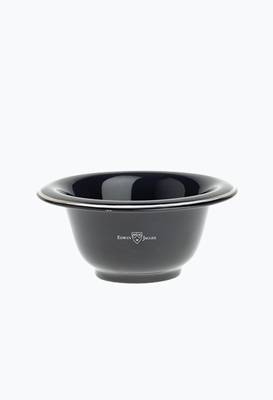
Do I need a shaving bowl?
You don’t strictly need a shaving bowl, but it is highly recommended for building a rich, consistent lather.
Shaving soap must be worked either in its tub or in a bowl using a shaving brush, while shaving cream can be applied directly to the face or lathered in a bowl. A bowl simply gives you more control and space to build and adjust your lather.
Shaving bowls also help improve the quality of the lather, allowing you to create better cushion and glide for the razor. Many are designed to retain heat from warm water, which can help soften the beard and improve comfort during the shave. They are typically made from porcelain or stainless steel, both of which are durable and suitable for regular use.
Can I use shaving cream without a brush?
Yes, shaving cream can be used without a brush, as it can be applied directly to the skin and worked into a lather by hand.
However, using a shaving brush is generally recommended as it helps create a richer lather, improves coverage, and lifts the beard for a closer, more comfortable shave. It also provides light exfoliation, which helps prepare the skin and reduce irritation.
Whether you use a brush or not usually comes down to personal preference, but a brush will typically result in a better shaving experience overall.
-
General Shaving Guidance
How do I prevent razor burn?
Razor burn can usually be prevented by using proper preparation, a sharp blade, and light, controlled shaving technique.
Start by preparing the skin with warm water and a quality shaving cream or soap to create a protective lather. Use a sharp, clean blade and let the razor glide over the skin rather than pressing down.
Shaving with the grain and avoiding repeated passes over the same area can help reduce irritation. Using a shaving brush can also improve lather quality and help lift the hair for a smoother shave.
After shaving, rinse with cool water and apply a suitable aftershave or moisturiser to sooth the skin.
For more information on how best to prevent and manage razor burn, see our guide.
How do I stop ingrown hairs?
Ingrown hairs are mainly caused by hairs being cut too short or growing back into the skin after shaving, but they can usually be avoided with the right preparation and technique.
Start by washing the area with warm water to soften the hair and open the pores, then use a quality shaving cream or soap to create a protective lather. Shave with the grain and avoid stretching the skin too tightly, as this can encourage hairs to grow back into the skin.
Using a sharp blade and avoiding repeated passes over the same area can also help reduce irritation and ingrown hairs. Regular exfoliation and good aftercare will help keep the skin clear.
What is the best pre-shave routine?
A good pre-shave routine starts with properly preparing the skin to reduce irritation and improve the quality of the shave.
Shaving after a shower is ideal, as warm water and steam soften the hair and open the pores. Washing the face with warm water will also help achieve similar results by reducing resistance from the stubble and allowing the blade to cut more cleanly.
Applying a pre-shave lotion can further help by hydrating the skin and adding a light protective layer to reduce drag during shaving.
Finally, using a quality shaving cream or soap to create a rich lather ensures the skin is well-lubricated, helping the razor glide smoothly, reducing the risk of razor burn and irritation.
Should I use aftershave or balm?
Both aftershave and balm can be used after shaving, but they serve slightly different purposes depending on your skin type and preference.
Aftershave is typically lighter and provides a refreshing finish to the shave, while balm is richer and more moisturising, designed to soothe and hydrate the skin.
If you have sensitive or dry skin, a balm is often preferred for its calming and nourishing properties. If you prefer a lighter feel or a more traditional finish, an aftershave may be more suitable.
Some people use both depending on the time of year or how their skin feels after shaving.
How often should I shave?
How often you should shave depends on your hair growth, skin type, and personal preference.
Some people prefer to shave daily for a consistently smooth finish, while others shave every few days to allow stubble to grow in and reduce skin sensitivity. Those with coarser or faster-growing hair may need to shave more frequently, whereas sensitive skin may benefit from less frequent shaving to avoid irritation.
There is no fixed rule, so the best approach is to find a routine that keeps you comfortable and works for your skin.
Can I shave with acne or sensitive skin?
Yes, you can shave with acne or sensitive skin, but it should be done carefully to avoid irritation and worsening breakouts.
Prepare the skin with warm water to soften hair and reduce resistance, then use a gentle, fragrance-free shaving cream or soap to create a protective lather. Use a sharp blade with light pressure and avoid shaving directly over inflamed spots where possible.
Shave with the grain and limit repeated passes over the same area to reduce stress on the skin. Keeping the razor clean is also important to minimise bacteria and further irritation.
After shaving, rinse with cool water and use a soothing, alcohol-free moisturiser or balm to calm the skin.
For a more detailed breakdown, see our tips for shaving with sensitive skin here.
-
Gifting
What is a good shaving gift set?
A good shaving gift set includes the essential tools for a complete wet shaving routine, typically a razor, shaving brush, and shaving cream or soap, and may also include accessories such as a bowl or stand.
These sets are designed to provide everything needed for a traditional shave in one package, making them suitable for both beginners and experienced shavers. They usually combine reusable tools with replaceable blades, along with products that help create a comfortable and effective shave.
A well-chosen set balances practicality and quality, bringing together durable shaving tools and skin-friendly products for a smoother shaving experience.
Shaving gift sets are available in a range of combinations depending on preference and experience level.
Do you offer gift wrapping?
We do not currently offer a gift-wrapping service.
However, all orders are carefully packed with attention to detail to ensure they arrive in excellent condition, making them suitable for gifting as they are.
Can I include a personalised message?
We do not currently offer personalised gift messages.
However, you can add order notes or delivery instructions at checkout, such as safe place details or specific delivery preferences. These will be included with your order where applicable.
What’s the best starter kit for someone new to wet shaving?
A good starter kit for wet shaving includes a simple, easy-to-use razor, a shaving brush, and a quality shaving cream or soap to help create a protective lather.
For beginners, a mild double edge safety razor is often a good choice, as it offers control and a close shave without being overly aggressive. A shaving brush helps build a richer lather and lifts the hair for a smoother shave, making the process more comfortable and consistent.
A complete starter kit should focus on ease of use, comfort, and reliable results while allowing the user to learn proper technique over time.
Starter shaving sets are a practical option, as they bring together the essential tools needed to begin traditional wet shaving in one place.